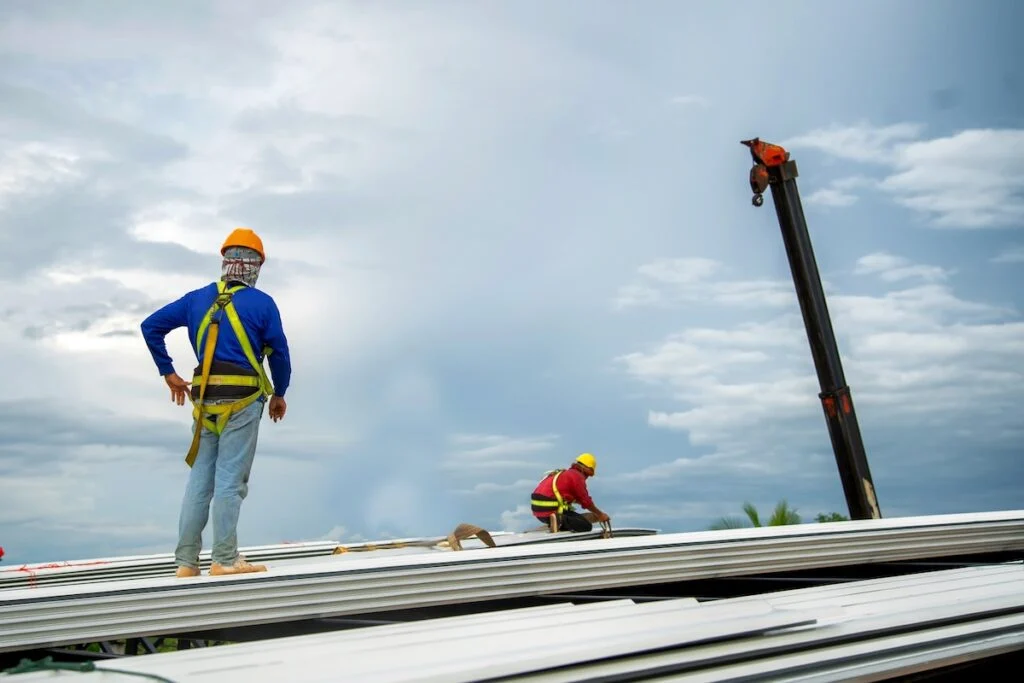
A commercial roof inspection pinpoints problems early and shields your Calgary facility from leaks, heat loss, and expensive downtime.
Angel’s Roofing offers 25 years of experience in local climates, from Chinook swings to heavy snow, with trained crews, safe access plans, and clear reports.
You can count on detailed, full checks of membranes, seams, drains, flashing, and parapets, along with photos and next steps, to reduce risk, increase service life, and budget with confidence.
Learn more or request a free quote today.
The Financial Case for Inspections
Commercial roof inspections regularly safeguard budgets, assets, and business uptime through Calgary’s freeze–thaw cycles, hail events, and chinooks. Angel’s Roofing concentrates on the actionable to keep the costs predictable and roofs in service longer.
What You Save Over the Roof’s Life
Regular inspections reduce unnecessary expenditures by identifying minor problems—such as open seams, clogged drains, and loose flashings—before moisture penetrates the membrane and reaches the insulation. Once insulation is wet, heat loss increases, utility bills rise, and repairs increase exponentially.
A yearly inspection identifies any insulation deficiencies so repairs maintain energy bills in check during Calgary winters. Third‑party inspections can range from a few thousand to tens of thousands of dollars (depending on roof size and urgency), but they’ll often cost less than one emergency leak event that shuts down operations.
Such structured programs, which combine in-house inspections every season with occasional third-party inspections, increase both the roof’s and the building’s longevity. If the roof is 15–25 years old, annual inspections bring peace of mind even when no apparent damage is present.
Risk, Warranty, and Insurance Control
They maintain manufacturer warranties by demonstrating that care was performed on schedule and by trained personnel. This reduces owner liability in the event of a claim.
Most insurers in Alberta require inspections – staying up-to-date helps keep coverage in force and can contribute to premium stability. Early discoveries reduce emergency callouts, mould claims, and potential lawsuits related to tenant displacement or hazards.
Clean records help maintain property value and resale optics—a dry, well-kept roof photographs well.
The Long-Term Cost Benefits, Ranked
- Fewer emergency leaks and shutdowns
- Lower energy drift from wet insulation
- Longer roof lifespan before replacement
- Stronger warranty standing and quicker claims
- Insurance compliance and possible premium relief
- Reduced legal exposure from water damage
- Better resale position and cap rate support
- Predictable budgets and planned work windows
What a Calgary Roof Inspection Entails
Commercial roofs in Calgary face challenges from freeze-thaw cycles, hail, Chinook winds, and intense UV radiation. A comprehensive inspection zeroes in on risk areas, records the findings, and defines actionable next steps for service and budget.
Comprehensive Inspection Process
Inspectors walk the entire roof to inspect for cracks, blisters, open seams, loose fasteners, and ponding water—standing water that sits for over 48 hours. They review previous reports, roof plans, and warranty conditions, then probe suspect zones for concealed moisture using infrared imaging and, if necessary, conduct core sampling.
Drones can scan inaccessible zones on expansive properties. The standard lasts for hours, depending on the scale and reach. Calgary roofs often exhibit stress at drains and parapets, so we verify and correct drainage paths and pitch if they are blocked. The price typically ranges between $300 and $1,000, depending on the roof size and complexity.
Biannual schedules—spring and fall—snag problems before snow load or summer UV exacerbate them.
- Pre-brief: review drawings, history, warranties
- Safety setup: access, fall protection, hazard check
- Surface walk: membrane scan, seams, laps, patches
- Penetrations: HVAC curbs, vents, pipes, skylights
- Flashings/edges: term bars, parapets, metal edges
- Deck/structure: soft spots, deflection, fastener pull
- Drainage: drains, scuppers, gutters, downspouts, slope
- Moisture tests: infrared, capacitance, targeted cores
- Equipment: supports, vibration pads, service lines
- Detail zones: joints, transitions, snow/ice dam areas
- Documentation: photos, marked plans, condition ratings
- Report: repairs, priorities, budget, maintenance plan
What Inspectors Assess
Experts inspect your roof membrane (EPDM, TPO, PVC, BUR, or modified bitumen) for splits, UV burn, shrinkage, and punctures after hail. Flashings at walls and penetrations are inspected for pull-back and open terminations.
We push and dig into the deck to search for rot, rust or movement. Drainage systems are inspected for proper flow, and areas prone to long-term ponding are identified and mapped. Rooftop units, gas lines and cable trays are checked for leaks, vibration wear and displaced supports.
Moisture mapping discovers that wet insulation fuels heat loss and leaks.
Types of Inspections in Calgary
- Pre-roof inspections before replacement or overlay
- Routine biannual inspections (spring/fall)
- Post-construction turnover inspections
- Emergency inspections after hail or heavy snow
- Periodic warranty compliance inspections
Uncovering Common Calgary Roof Issues
Commercial roof inspections in Calgary tend to identify issues related to weather and building types specific to the local community. Most problems begin as minor, then intensify, so we seek out small indicators and record hazards that impact safety, longevity, and expenses.
Frequent Problems Found During Inspections
Flat roof leaks usually occur at seams, punctures, and areas of rooftop traffic. Membrane blisters and open laps provide water a path to track under the skin. Ponding water occurs on flat roofs that have a 2–4% pitch, where poor slope or crushed insulation slows drainage and adds load after storms.
Clogged drains, scuppers, and downspouts, in turn, push water back onto the deck, which can stain ceilings and trigger leaks near penetrations. Torn or missing flashing at walls, parapets, curbs, and HVAC stands allows wind-driven rain to penetrate. Loose-edge metal encourages uplift.
Weather Impacts Unique to Calgary
Hail, heavy snow, and hard windstorms can bruise membranes, split seams, and bend metal edges. Freeze–thaw cycles expose and expand hairline cracks throughout the season. UV is strong at Calgary’s elevation, drying out coatings and sealants more quickly.
Snow loads and drifting stress the deck, causing ice dams to form near drains and impeding runoff, which can saturate insulation.
Risks of Small, Undetected Leaks
Slow leaks cause wet insulation, concealed mould and rusted fasteners. Moisture holds heat in the summer and sheds it in the winter, increasing energy costs. When left unattended, wet decks can sag, warp, and compromise fire ratings.
Most failures don’t occur overnight; our regular spring and fall inspections identify these early.
Calgary Commercial Roof Checklist
- Drainage: clear drains; confirm slope; check ponding rings.
- Membranes: look for blisters, punctures, open seams, and UV chalking.
- Flashings/edges: inspect term bars, corners, coping caps, and sealant.
- Penetrations: check HVAC curbs, pipes, and pitch pockets.
- Insulation: Scan for wet areas and repair to restore R-value and reduce heating costs.
- Snow/ice: assess drift zones, ice dams, and roof access paths.
- Structure: watch for sagging, loose fasteners, and rust.
- Interior: note stains, odours, and ceiling cracks as leak clues.
Your Roof’s Hidden Liability
Commercial roofs in Calgary must withstand extreme temperature fluctuations, hail, chinooks, and snow loads. Hidden defects, which often begin small and then evolve into safety hazards, shutdowns or claims that drive costs.
What Hidden Defects Look Like and Why They Matter
Concealed moisture entrapped under membranes can rot insulation, corrode fasteners and devalue the deck. A compromised deck—whether due to rusted steel, delaminated wood, or saturated concrete—can shift under foot or equipment loads.
Poor installation, such as loose terminations or uneven torch‑applied seams, creates routes for water. Even new roofs aren’t off the hook, because rookie errors tend to pop up in their first year. Since roofs are complex and expensive to repair, regular inspections are not optional.
A properly maintained roof is longer lived, more cost-effective over time, and helps ensure code compliance and insurance status.
| Hidden Defect | How It Hides | Potential Consequences |
| Trapped moisture in insulation | No surface leaks; detected via IR scan or cores | Mould, R‑value loss, deck corrosion, freeze‑thaw blistering |
| Compromised roof deck | Concealed by a membrane | Structural flex, fall hazards, load failure |
| Poor seam/termination work | Looks fine in dry weather | Wind uplift, water ingress, and interior damage |
| Blocked drains/scuppers | Debris masks ponding | Ponding, ice dams, leaks, and slip hazards |
| Fastener back‑out | Not visible under the ballast | Uplift risk, membrane tears |
| Hidden hail bruising | No immediate puncture | Early membrane fatigue, leaks later |
| Trapped vapour due to no vents | Normal exterior view | Blistering, premature aging |
How and When to Assess in Calgary Conditions
Schedule some inspections a couple of times a year, concentrating on spring and fall. Spring checks expose winter freeze‑thaw damage. Fall checks prep for snow and ice.
Complemented with ad hoc monthly walks by trained staff, clearing debris and logging small problems. Pair that with third-party inspections featuring moisture scans, test cuts, and wind-uplift checks.
Prompt repairs add years to service life and minimize interruptions for tenants and operations.
Documentation that Protects Your Business
Document all discoveries, images, core results, repair tickets, and warranty warnings. Maintain dates, weather notes and contractor reports.
This record demonstrates insurance due diligence, backs municipal code compliance, and expedites claims after hail or wind events. It monitors trends that inform budget and capital planning for Calgary venues.
The Proactive Approach: Roof Maintenance Plans
A proactive maintenance plan keeps your Calgary commercial roofs protected against hail, freeze-thaws, chinook winds, and UV swings. It details who checks, when work happens and how problems are repaired before they expand.
What a Maintenance Plan Is
A maintenance contract establishes precise inspection dates, a comprehensive cleaning scope, clear thresholds for minor repairs, and detailed documentation. It spans roof, tied-ins, drainage and interior checkpoints.
For the low-slope membranes (TPO, EPDM, SBS) typical in Calgary, the plan focuses on seams, penetrations, and drainage. For steep-slope systems, it focuses on shingles, flashing and ventilation. It eliminates emergency calls, prolongs service life and protects warranties.
Why It Matters
Proactive roof care decreases the frequency and severity of repairs by identifying punctures, loose flashings, and clogged drains before they turn into significant issues.
Biannual inspections, adjusted for roof type & exposure, flag heat-loss paths and wet insulation that drive winter gas and summer cooling loads. A well-maintained roof can last for decades, delaying replacement expenses and smoothing out budgetary concerns.
How to Structure the Program
Use tiers that match building risk:
- Annual for newer, low-risk roofs.
- Semiannual for most Calgary facilities: spring after snowmelt, fall before freeze.
- Quarterly, for high-traffic roofs, restaurants, medical facilities or those with a leak history.
Of course, include event-based checks after hail, windstorms or visible leaks.
Process and Scope
Inspections should encompass the roof and interior areas—deck, ceiling, and attic—so that premature leaks, insufficient ventilation, or blistered, cracked, or missing shingles are not overlooked.
Infrared or core sampling, if necessary, locates wet insulation that causes energy bills to soar. Crews capture photos, mark priorities and close small items on the spot to keep systems watertight.
Maintenance Checklist and Schedule
- Semiannual: clear drains/scuppers, remove debris, check seams and laps, inspect flashings, curbs, parapets, terminations, sealant touch-ups, tighten mechanical fasteners.
- Seasonal: Check snow loads and ice dams; ensure safe melt paths; verify heat tracing.
- After storms: assess hail hits, membrane punctures, wind uplift, displaced shingles or ballast.
- Energy: spot wet insulation, review ventilation, inspect rooftop HVAC pans and lines.
- Interior: scan ceilings/attics for stains, mould, frost, or daylight gaps.
- Documentation: update roof plan, photos, leak log, and repair records.
Preparing for Your Inspection
Ensure you have your goals set, understand how to comply with Alberta safety legislation, and how it will impact building access and your business. Handle tenant demands, risk and coverage for inventory, equipment and tenants.
Clear Access, Dry Conditions, and Site Safety
Remove loose gravel, branches and trash from the roof and drains. Make sure the roof is dry, postpone if there’s frost or ice or standing water. Check that ladders, roof hatches, and guardrails are functional and secure. Highlight trip hazards, hole covers and weak decking. Lock out powered rooftop units as necessary.
They’ll walk the roof end to end—sometimes twice—to catch things that seem out of place or foreshadow issues.
Review Records and Prior Work
Take the last two to three inspection reports, leak logs, and repair invoices. Flag recurring issues, such as membrane splits at parapets, ponding at low spots, or loose flashing at HVAC curbs: post-warranty periods and installer information.
Mark any rooftop alterations—such as new RTUs, new anchors, or solar arrays—since these can affect load and drainage.
Coordinate Operations and Tenant Needs
Schedule inspection windows considering Calgary weather. Shoot for the spring and fall at the very least. Move employees to active spaces, or adjust their hours. Where noise is a factor, provide noise shields.
Where heat is cut off for access, position portable heaters. Cover stock with poly sheeting and relocate water-sensitive inventory.
Log Leaks, Stains, and Storm Events
Map ceiling stains, active leaks, and odour/draft complaints by room. Add hail dates, wind events and snow load issues. Take smartphone photos from the interior and on the roof, with approximate locations measured in meters from the entries or curbs.
Best Practices Checklist
| Task | Why it matters | How to verify |
| Dry, clean roof | Prevent slips and hidden defects | Visual check: drains clear |
| Safe access | Reduce fall risk | Hatch/ladder operable; guardrails stable |
| Records ready | Focus on known risks | Reports, repairs, and warranty on hand |
| Tenant plan | Limit disruption | Schedule, heaters, noise control set |
| Interior map | Trace leak paths | Photo log, room grid |
| Substrate checks | Worker safety, preloading ability | Probe tests, deck feel underfoot |
Conclusion
A tight, healthy roof keeps your site open, dry and on budget. In Calgary, roofs endure hail, Chinook winds, and long, cold snaps. Mini-leaks go speedy. Wet decks sag—heat loss skyrockets. A clever strategy trumps quick repairs.
Angel’s Roofing offers over 25 years of experience on Calgary flat and low-slope roofs. We inspect seams, laps, drains, edges and roof gear. We map hot spots with infrared imagery. We price direct. We deploy CSA-rated equipment and adhere to COR safety.
Need a melt-off check this spring? Want a mid-year scan pre-hail? Do you need a comprehensive report for lease or sale? We can assist!
Call Angel’s Roofing. Request your free site visit and written quotation. Schedule a roof check today and keep your building on course.
Keep an eye for more latest news & updates on Sfm Compile!